Children are naturally curious and love to explore the world around them. From a young age, they learn by observing, playing, and trying new things. Learning activities give children the opportunity to use their curiosity in a positive way. When kids participate in fun educational activities, they begin to understand new ideas while enjoying the process of learning.
Learning activities also help children develop important life skills that support their overall growth and development. Instead of only focusing on traditional learning methods, activity-based learning allows children to think, experiment, and discover solutions on their own. This approach makes learning more interesting and helps children remember what they learn for a longer time.
One of the biggest benefits of learning activities is that they help children develop problem-solving skills. When kids work on puzzles, matching games, or simple challenges, they learn how to think carefully and find solutions. These skills are important for both academic learning and everyday life.
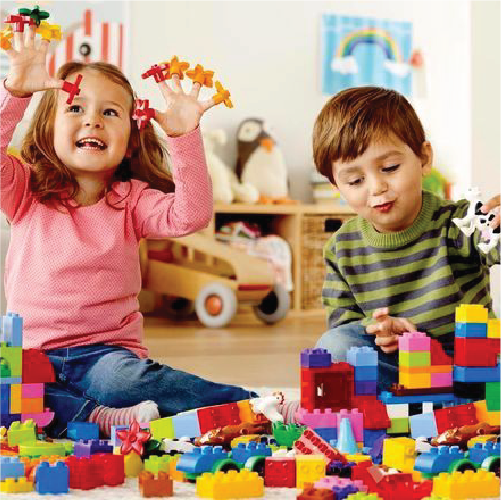
Learning activities also help improve creativity and imagination. Activities like drawing, coloring, storytelling, and building things allow children to express their ideas freely. Creative play helps kids explore their thoughts and develop innovative ways of thinking.
Another important benefit is that learning activities help strengthen memory and concentration. Games such as memory matching, number puzzles, or simple educational challenges require children to focus and remember information. Over time, these activities improve a child’s ability to concentrate and pay attention.
Learning activities also play a key role in building language and communication skills. Activities such as reading stories, word games, and group discussions encourage children to speak, listen, and understand new words. This helps children improve their vocabulary and communicate more clearly with others.
Additionally, fun learning activities help increase a child’s confidence in learning. When children successfully complete activities or solve small challenges, they feel proud of their achievements. This positive experience motivates them to keep learning and trying new things.
Most importantly, when learning feels fun and enjoyable, children develop a positive attitude toward education. They become more motivated to explore new ideas, ask questions, and discover new skills. This love for learning can continue throughout their lives and support their future success.