Reading is one of the most important skills children can develop at an early age. Good reading habits help children improve their language skills, imagination, and understanding of the world around them. When children enjoy reading, they naturally become curious learners who love discovering new ideas and stories.
Parents play a very important role in building reading habits in children. By introducing books at an early age and making reading a fun daily activity, parents can help children develop a lifelong love for books.
Start Reading at an Early Age
Introducing books to children at an early age helps them become familiar with words and pictures. Even before children learn how to read, they enjoy listening to stories and looking at colourful illustrations in books.
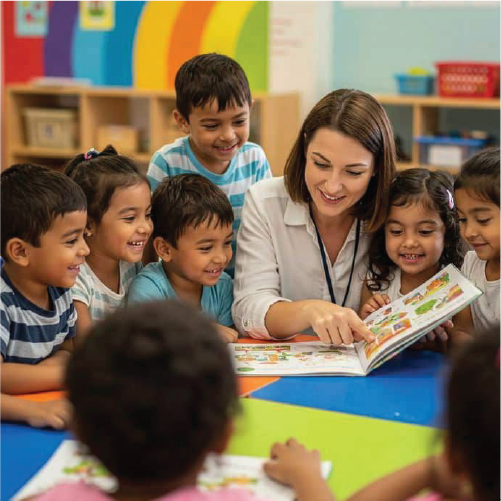
Parents can read simple picture books to their children every day. This helps children understand how stories work and improves their listening and vocabulary skills. Reading together also creates a special bonding time between parents and children.
Create a Daily Reading Routine
A daily reading routine can help children develop consistent reading habits. Parents can set aside a specific time each day for reading, such as before bedtime or after school.
When reading becomes part of a child’s daily routine, it starts to feel natural and enjoyable. Even 10 to 15 minutes of reading each day can make a big difference in a child’s learning journey.
Parents can also encourage children to choose their favourite books. When children read topics they enjoy, they become more interested in reading.
Use Interactive Reading Activities
Interactive reading activities make the reading experience more engaging for children. Parents can ask questions while reading a story, such as “What do you think will happen next?” or “Who is your favourite character?”
These simple questions encourage children to think about the story and improve their comprehension skills. Parents can also ask children to describe pictures in the book or retell the story in their own words.
Interactive reading helps children become active participants in the learning process.
Encourage Storytelling
Storytelling is another great way to improve reading and language skills. Parents can encourage children to create their own stories using pictures, toys, or drawings.
Children might create stories about animals, adventures, or their favourite characters. This activity helps improve imagination, creativity, and communication skills.
Parents can also write down their child’s stories and read them together. This makes children feel proud of their ideas and encourages them to continue reading and writing.
Conclusion
Developing strong reading habits at an early age can greatly support a child’s learning and development. Reading helps children improve vocabulary, imagination, and understanding of language.
By reading together, creating a daily reading routine, and encouraging storytelling, parents can help children build a lifelong love for books. When children enjoy reading, they become more confident learners and develop skills that support their future education.